
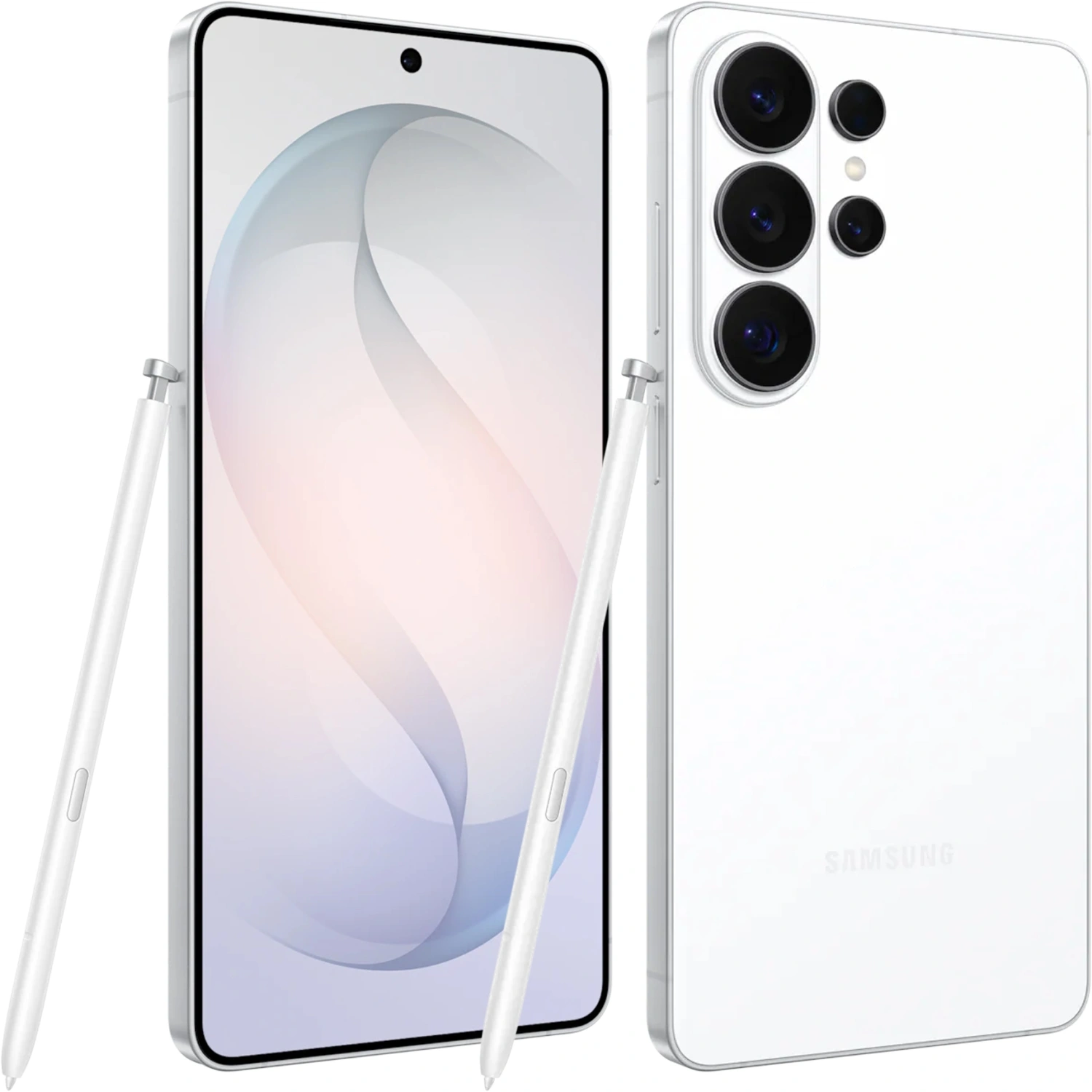
The standout addition is the Privacy Display, which utilizes Flex Magic Pixel technology to restrict visibility from the sides. While not entirely impenetrable to a determined observer, it effectively masks content during casual glances in crowded spaces like airplanes or convention halls. Users can toggle the feature on or off, and while enabling it causes a slight dimming and flattening of the image, the trade-off for peace of mind is significant. Samsung offers a maximum protection mode, though it currently requires a manual adjustment rather than app-specific triggers.
Beyond privacy, the S26 Ultra delivers tangible hardware improvements. The main 200-megapixel camera and the 5x telephoto lens now feature wider apertures—f/1.4 and f/2.9 respectively—allowing for better low-light performance and faster shutter speeds. These physical refinements provide a welcome contrast to the device's suite of generative AI tools, which remain a mixed bag. While features like 'Now Nudge' and limited Gemini task automation offer genuine utility, the photo-editing capabilities, which allow for drastic, surreal manipulation of images, raise concerns about the erosion of photographic trust.



Comments (0)
No comments yet. Be the first!