
The core strength of the Googlebook lies in its ecosystem synergy. Setting up the device is a notably smooth process; users pair their Android phones via a simple QR code scan, which automatically pulls in existing accounts and app libraries. This integration goes beyond simple notifications. You can access phone files directly through the native Files app and migrate active tasks from a mobile device to the laptop with a single click. The app drawer also mirrors your mobile environment, making the transition between devices feel immediate.
Googlebooks: A Bold Android Integration That Needs Polish
When the first five Googlebook models hit retail shelves on October 4th, they arrived with the promise of seamless phone-to-laptop fluidity. After spending the last 24 hours testing these Android-powered machines, the experience reveals a hardware platform that feels familiar yet occasionally unrefined, pinned entirely on how well it talks to your phone.
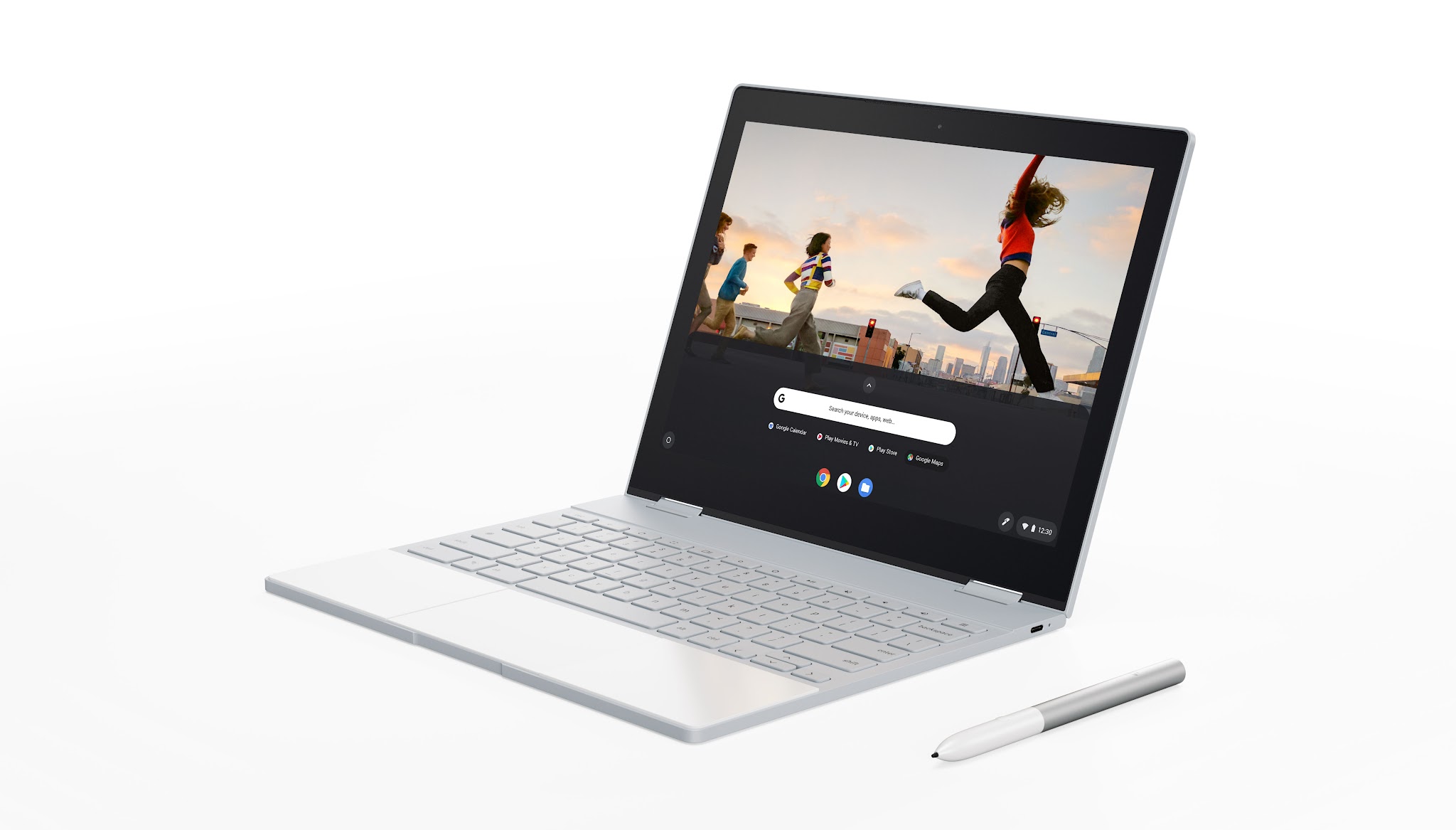
Despite these successes, the overall user experience remains inconsistent. While the interface echoes the familiar aesthetic of a Chromebook, the build occasionally suffers from a janky responsiveness that detracts from the premium ambition of the hardware. The success of the Googlebook relies heavily on the stability of these cross-device connections. When the ecosystem sync works, it represents a natural evolution of mobile-laptop interaction, but the platform clearly requires further software optimization to move past its current underbaked state.


Comments (0)
No comments yet. Be the first!