
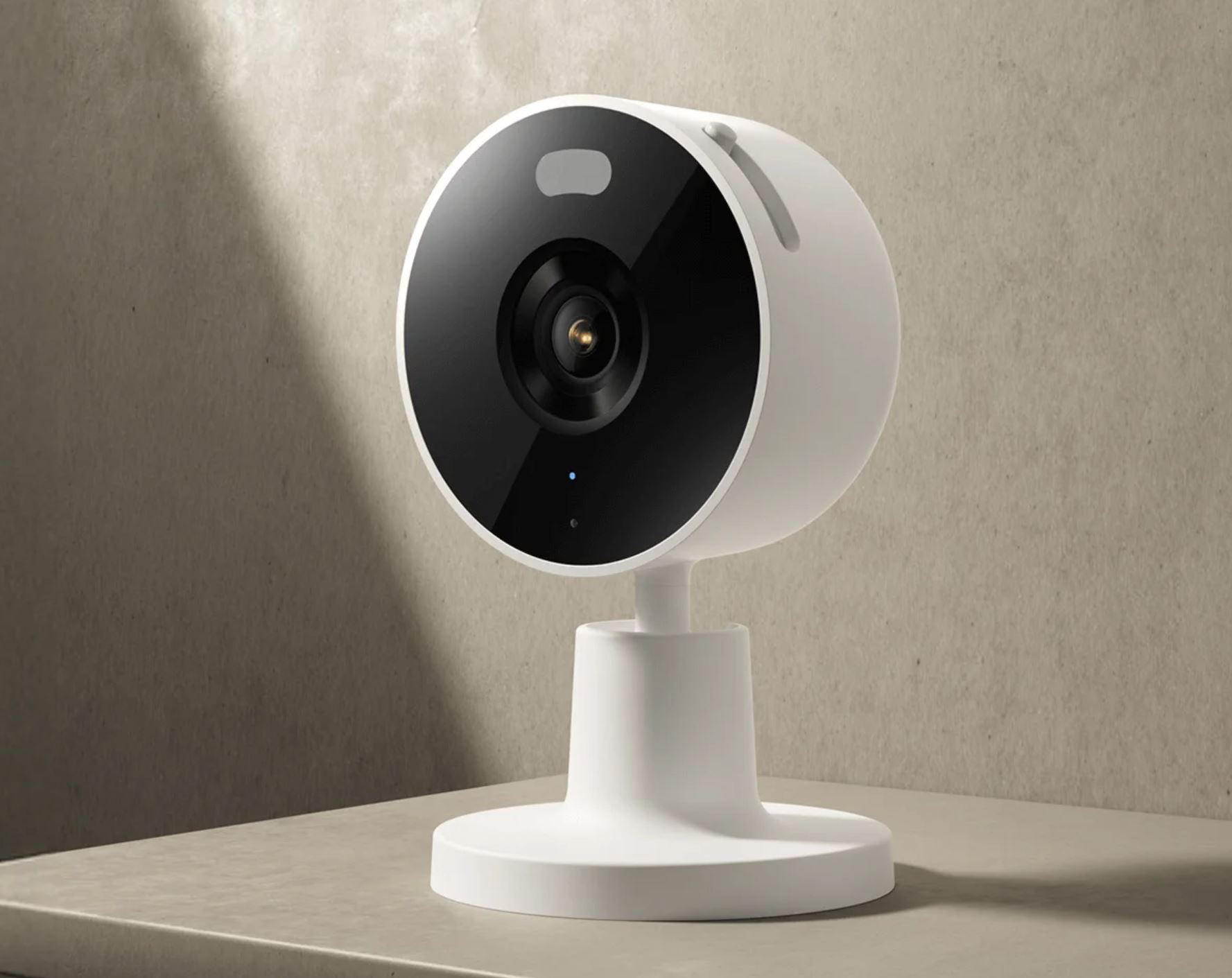
For decades, the standard for recording was binary: a camera or microphone either captured a file or it did not. Now, industry leaders are introducing a gray area. Reports indicate Apple is developing smart home cameras and potential wearable hardware that bypasses video storage entirely, relying instead on AI to generate descriptive text about a user’s environment. Google is exploring similar concepts for smart glasses, where image sensors process visual data without ever preserving the footage for posterity.
This semantic shift carries significant legal and ethical weight. If a device converts a private conversation into a summary or detects a specific song, the absence of a raw audio file does not necessarily negate the fact that information was harvested. Critics argue this approach may be a strategic attempt to navigate privacy expectations and legal subpoenas. As these devices proliferate, the physical indicators of surveillance—such as the white light on Meta’s smart glasses—are becoming inconsistent and easily ignored.




Comments (0)
No comments yet. Be the first!