
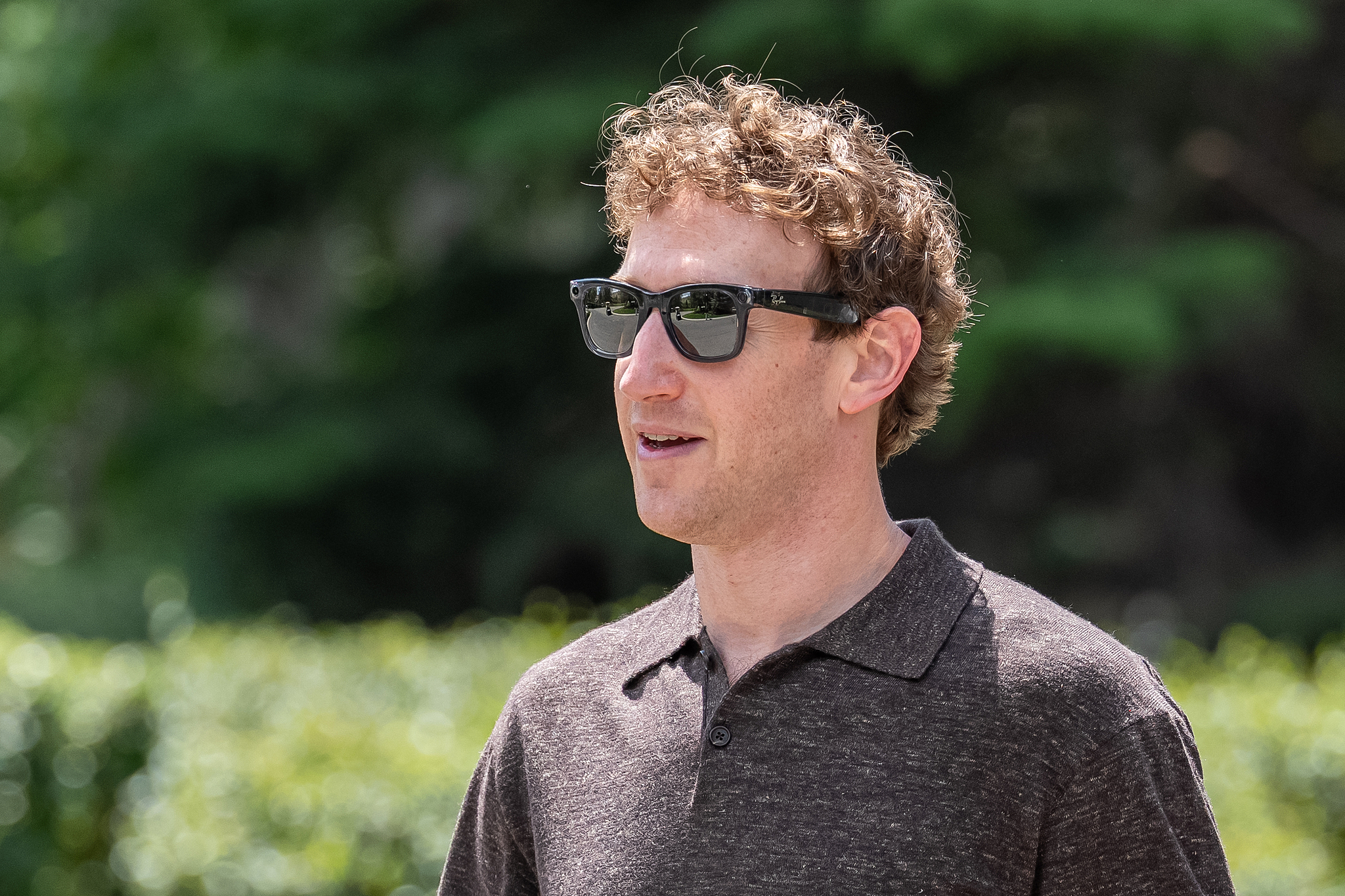
Zuckerberg argues that Meta’s smart glasses—and the broader trend of wearable cameras—should be viewed through the same lens as smartphones. However, this comparison ignores the distinct absence of the physical, intent-driven act of holding a device to record. By positioning these tools as familiar, the industry sidesteps the need for new social norms. Meta’s own decision to down-rank videos of harassment suggests that even the company recognizes these devices facilitate harmful behavior, raising the question of whether the utility of the product outweighs the societal friction it repeatedly generates.
The Unasked Questions for Mark Zuckerberg
Following Meta’s Connect conference, CEO Mark Zuckerberg has engaged in a high-profile media tour to promote the company’s new Muse AI agent. Yet, as he frames the future of passive surveillance glasses and AI-driven commerce, several critical contradictions regarding regulation, transparency, and market influence remain conspicuously unaddressed by the tech giant.
Furthermore, Zuckerberg’s stance on regulation appears highly selective. While he advocates for government intervention in social media to solve the 'prisoner’s dilemma' of teen safety, he simultaneously champions a free-market approach to AI, insisting that liability concerns will naturally force labs toward alignment. This inconsistency demands scrutiny: if Meta relies on potential trillion-dollar liabilities to justify regulatory frameworks for kids, why does that same financial pressure fail to mandate unilateral safety measures in AI development? The company’s history of transparency—often resulting in public punishment—suggests that without a standardized, mandatory reporting framework for all industry players, Meta is merely trapped in a cycle of self-inflicted regulatory damage.




Comments (0)
No comments yet. Be the first!