
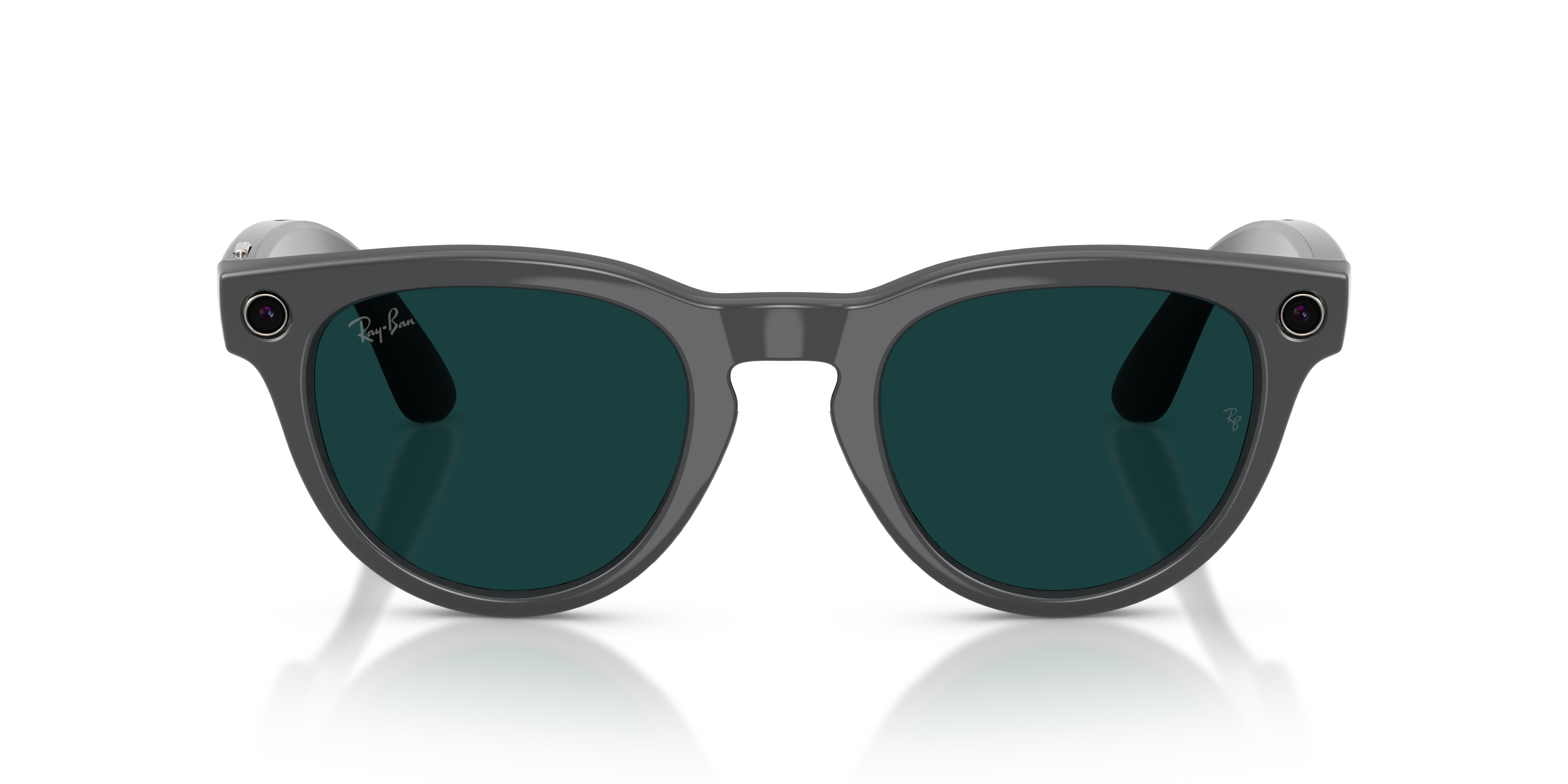
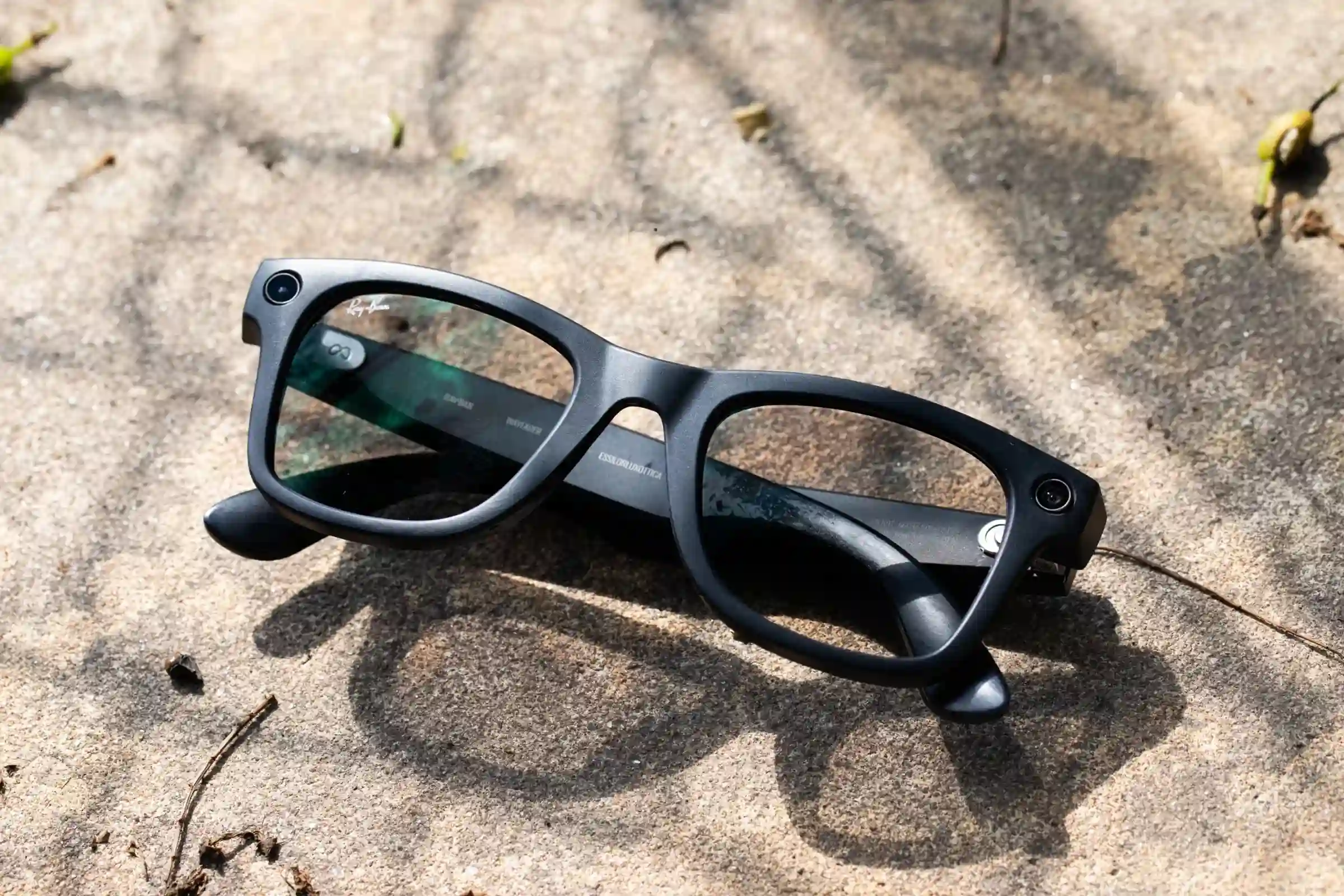
The device features a design reminiscent of heavy sunglasses, housing only the essential sensors and displays on the face. By offloading the primary computing components to an external unit, Meta has achieved a significant reduction in mass compared to the 515-gram Quest 3. During initial hands-on demonstrations at the company’s campus, the hardware handled standard VR tasks—including media consumption, gaming, and multi-screen productivity—with notable agility.
Meta pivots to lightweight VR glasses
Trading the bulky head straps of a traditional Quest for a 100-gram frame, Meta is testing a new hardware approach that shifts processing power to a pocket-sized computing puck. This transition aims to strip away the cumbersome nature of current immersive displays, favoring a device that prioritizes comfort and accessibility.

This shift suggests a move toward a more casual, high-frequency usage model rather than the intensive, isolating sessions typical of existing headsets. While Apple’s Vision Pro attempted a similar vision of wearable computing, Meta’s latest prototype focuses on the friction of entry and exit. By minimizing the physical footprint, the company is positioning these glasses as a practical alternative for users who find current VR gear too commitment-heavy for daily tasks.

Comments (0)
No comments yet. Be the first!