
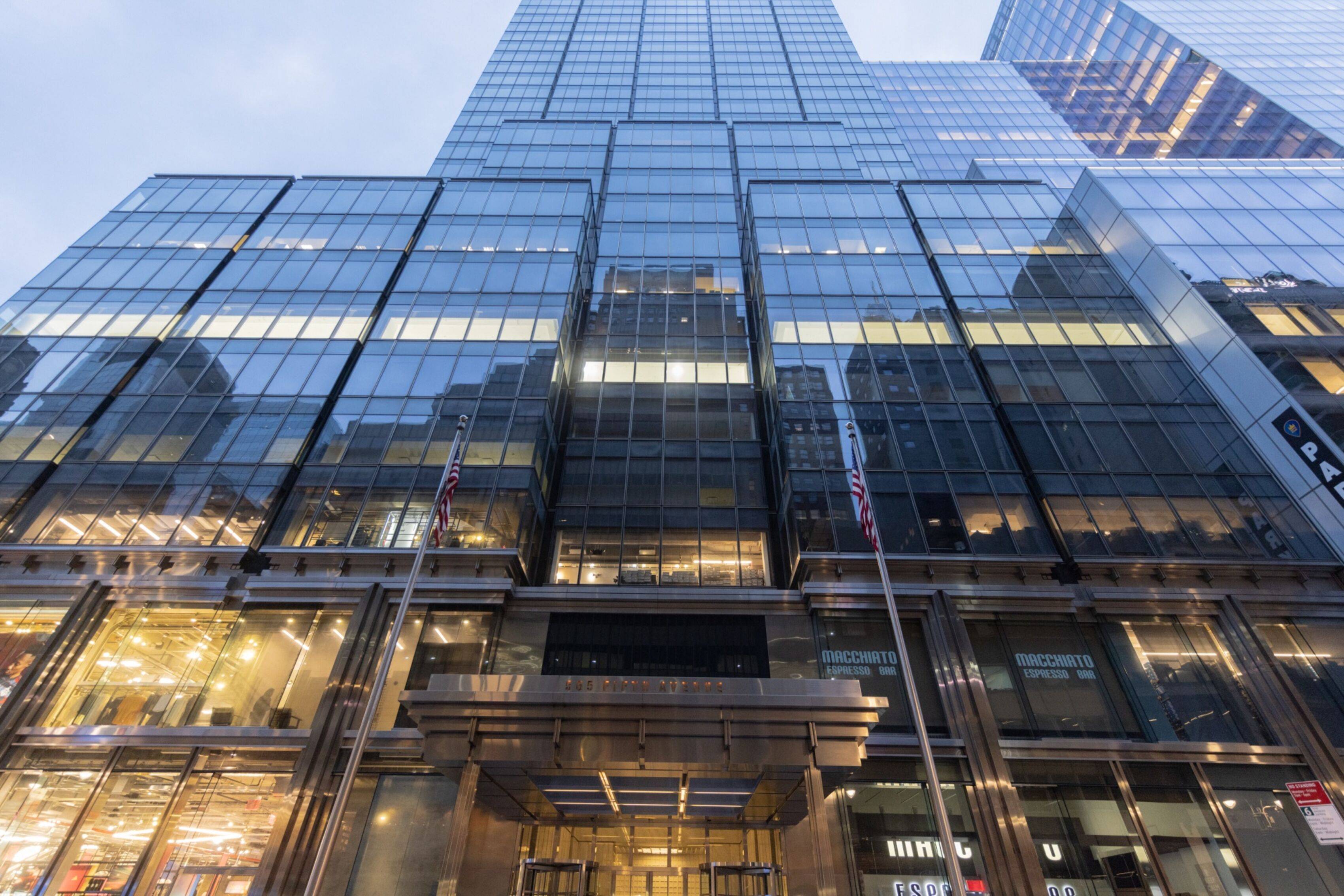
In a unanimous 3-0 decision, the 2nd U.S. Circuit Court of Appeals rejected the FDIC’s attempt to block the litigation. The regulator had argued that a 1989 law, enacted during the savings-and-loan crisis, granted it exclusive authority over all legal claims once it assumed receivership of a failed institution. Circuit Judge Richard Wesley disagreed, noting that the statute’s succession clause does not encompass rights held by stockholders personally. The ruling relies on a 2021 Supreme Court precedent, clarifying that shareholder rights remain distinct from the corporate interests managed by federal receivers.
The lawsuit, led by the Swedish pension fund Sjunde AP-Fonden, alleges that Signature leadership and KPMG concealed critical liquidity risks, artificially inflating share prices before the bank’s sudden closure. Regulators shuttered the institution after a massive deposit run, triggered by the collapse of Silicon Valley Bank, saw customers withdraw roughly 20% of the bank's deposits in a single day. The FDIC previously attributed the failure to inadequate risk management, noting that by 2021, nearly all of the bank's deposits were uninsured.




Comments (0)
No comments yet. Be the first!