
Google’s latest entry, the Pixel 11 Pro Fold, doubles down on the wide-format design that has become the company's signature. Weighing in at 239 grams, it is notably lighter than its predecessor, the 258-gram Pixel 10 Pro Fold, while maintaining the robust IP68 water and dust resistance rating that sets it apart from Samsung’s current lineup. Samsung has opted for an IP48 rating for the Galaxy Z Fold 8 and Z Fold 8 Ultra, signaling a lingering vulnerability to dust that Google has effectively addressed.
Pixel 11 Pro Fold vs. Galaxy Z Fold 8: A New Era for Foldables
The foldable smartphone market has matured, shifting from experimental hardware to refined, durable daily drivers. With the arrival of the Google Pixel 11 Pro Fold and Samsung’s Galaxy Z Fold 8 series, users now face a choice between Google’s refined passport-style ergonomics and Samsung’s aggressive, high-performance display specifications.
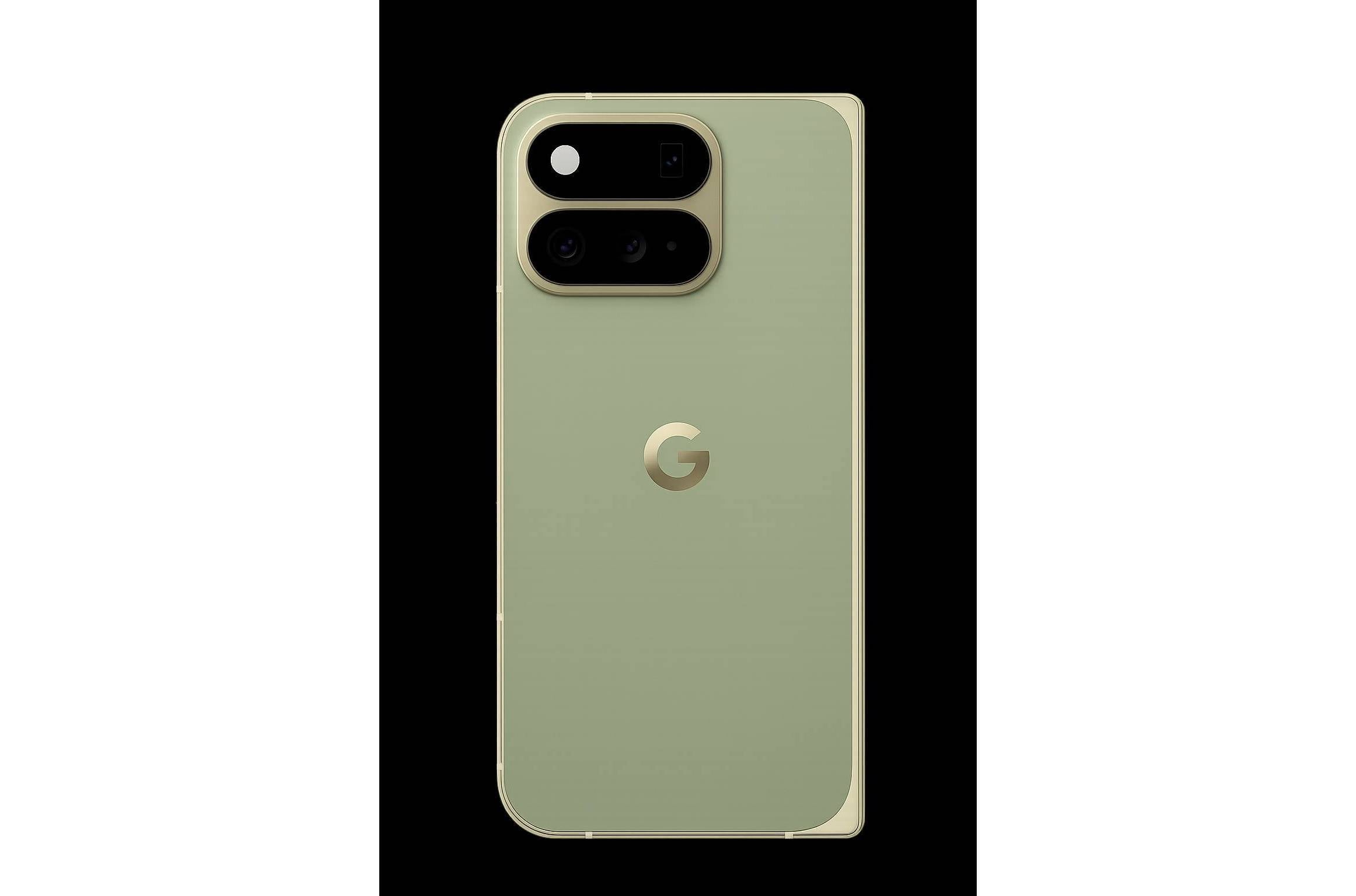
Under the hood, the Pixel 11 Pro Fold utilizes the custom Tensor G6 chipset paired with 16GB of RAM, running Android 17. In contrast, Samsung’s Z Fold 8 series relies on the Snapdragon 8 Elite Gen 5 for Galaxy. While Samsung offers superior video recording capabilities at 8K resolution, Google focuses on a balanced photography experience and a consistent seven-year software support commitment. Starting at $1,899, the Pixel 11 Pro Fold positions itself as a direct rival to the $1,899.99 Galaxy Z Fold 8, forcing buyers to decide if they value Google’s durability and form factor or the raw processing and camera hardware offered by Samsung.




Comments (0)
No comments yet. Be the first!