
Google pitches the Nano Banana 2 feature, launched globally this week, as a creative utility for visualizing real estate projects or historical sites. While the tool produces obvious oddities like a Sphinx-Statue of Liberty hybrid, it also generates realistic landscapes that could easily deceive viewers. The company maintains that it takes misinformation seriously, relying on SynthID digital watermarks to tag AI-altered content.
Google Earth’s new AI tool risks blurring fact and fiction
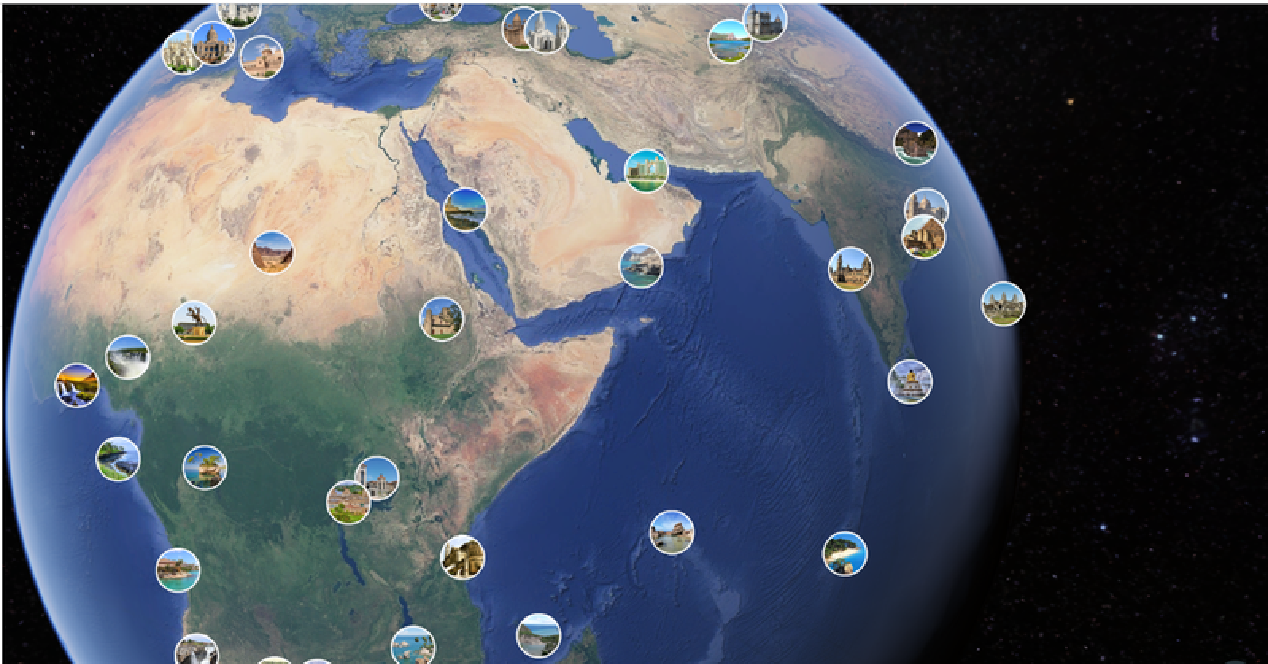
A text prompt is now enough to manipulate Google Earth’s satellite and 3D imagery, raising urgent questions about the potential for visual misinformation. Digital Digging’s Henk van Ess demonstrated the tool’s reach by generating fabricated scenes, including a bomb crater near a Gaza hospital and refugees at the Mexican border.
However, these safeguards have proven fallible. Digital Digging successfully bypassed Hive’s AI detection tools using video manipulated through the platform. To combat the spread of false imagery, van Ess advises users to cross-reference satellite data against independent sources like Sentinel-2 or Landsat. Relying on Google’s internal verification tags may not be enough when the underlying technology can produce highly convincing, yet entirely fabricated, representations of global events.




Comments (0)
No comments yet. Be the first!