
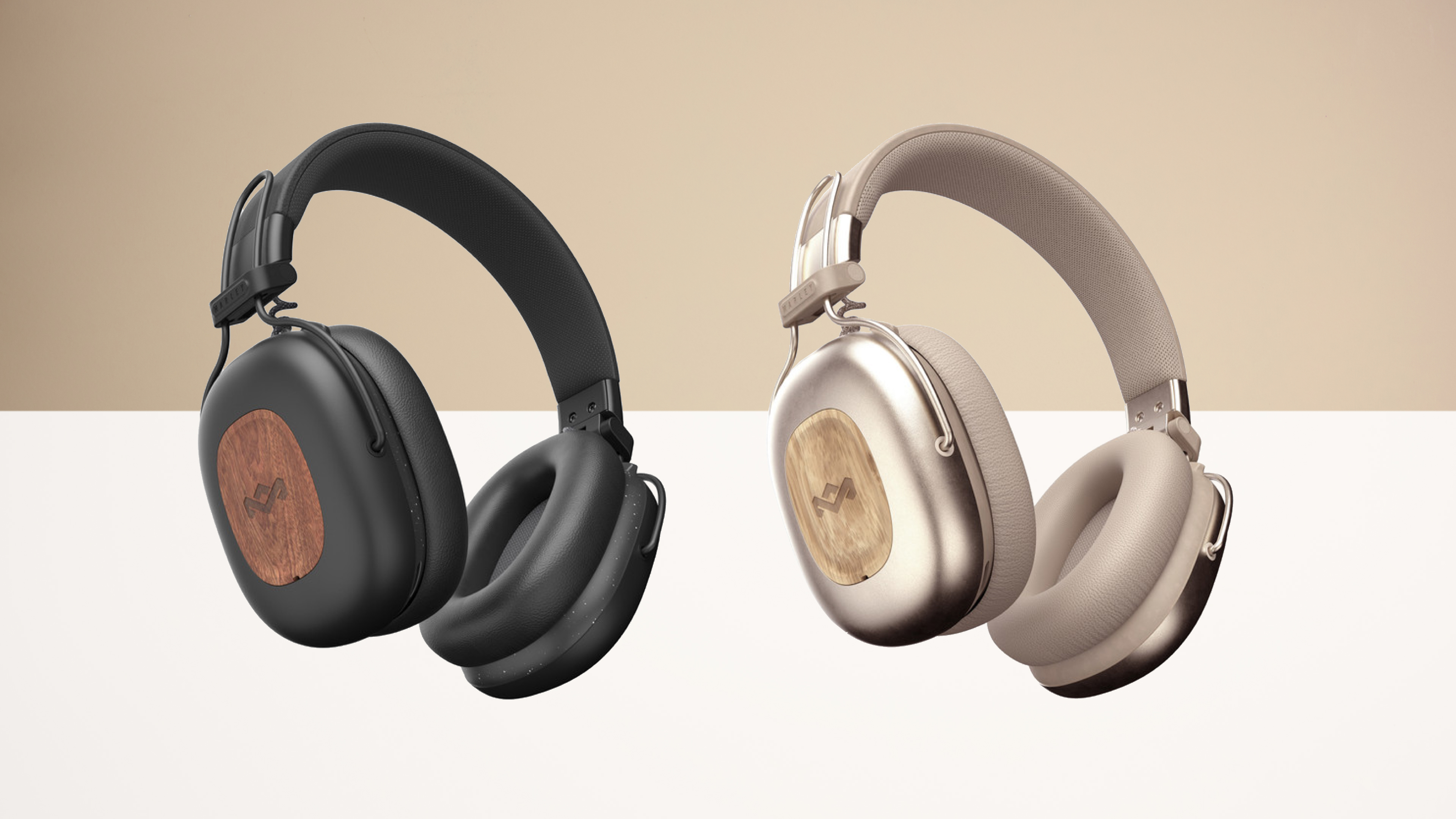
The production, created by Michael and director Prashanth Venkataramanujam, unfolds in five chapters about relationships in Michael’s life. Sound designer Daniel Kluger combines the Auracast broadcast with the theater’s speakers: tinnitus and hearing-test tones recur between sections, while changes in clarity suggest what Michael hears. His inner monologue remains crisp in the headphones, mixing prerecorded tracks with a live feed from his microphone.
That contrast becomes deliberately disorienting in a comedy-club scene. The speakers carry audience reactions, including a heckler whose voice shifts between muffled and clear; the headphones play Michael’s recorded thoughts; and his live performance is also muffled. The competing sounds make the effort of following unclear speech part of the experience.
At the climax, as Michael recognizes the cognitive labor involved in living with hearing loss, the audience is told to remove the headphones. The sudden change strips away a device worn through most of the show. The scene also uses images of Michael’s audiograms. In the final act, he turns to his Deaf identity. “The deafness is not the culprit, it’s the denial of it,” he says.




Comments (0)
No comments yet. Be the first!