Apple’s Siri Recap protects privacy but often misses the point
After testing Siri Recap on an Apple Watch for a week, a Verge writer found it useful for some work discussions but unreliable with everyday conversation. Apple limits what the feature records and retains, yet its summaries sometimes confused media with real events and stripped away context.
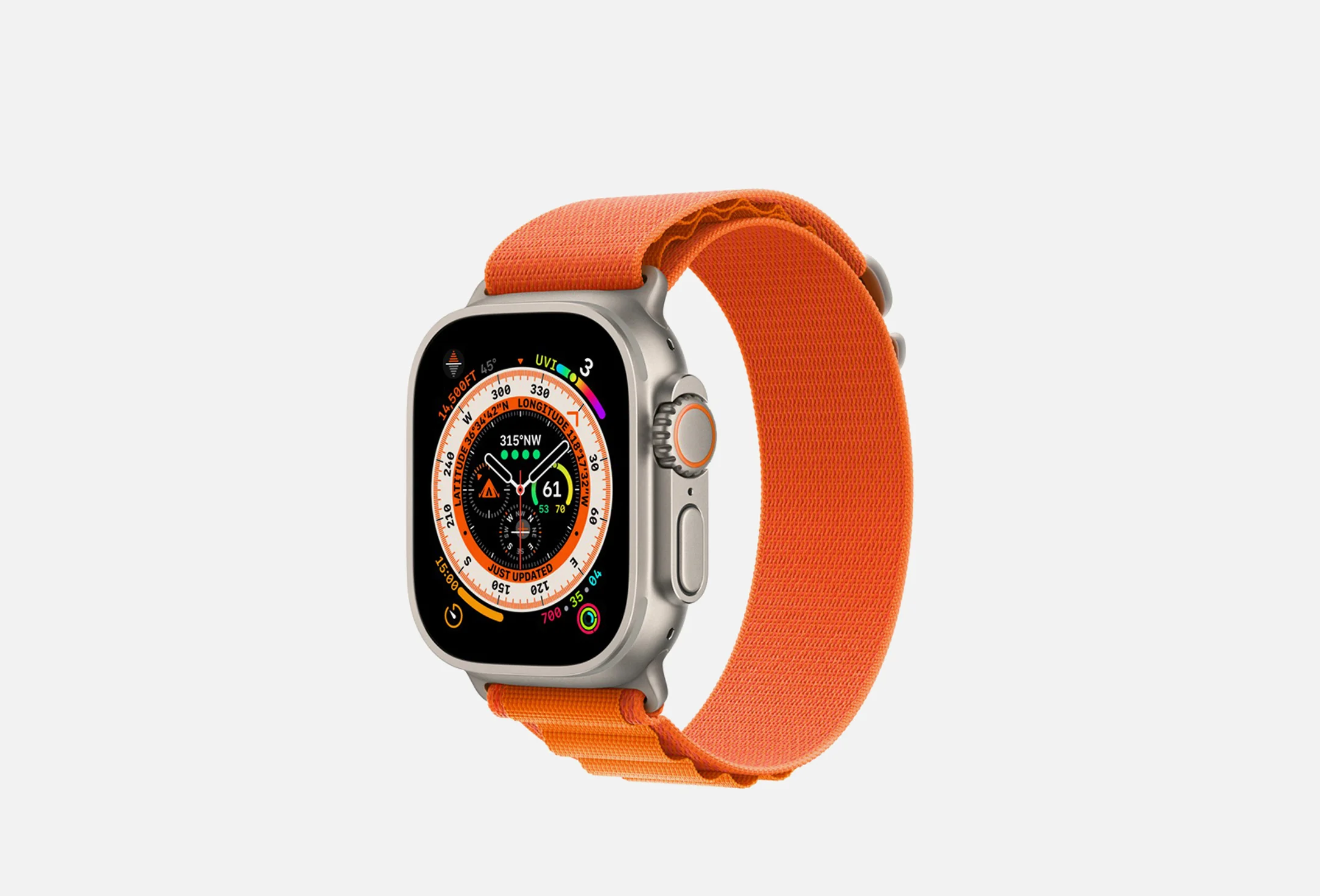
Siri Recap is an opt-in feature on the 2026 Apple Watch, and users can schedule when it runs. Recaps can be set to disappear after one, three or seven days. They contain no searchable transcript identifying speakers, and the watch does not save raw audio. Apple says processing happens mostly on-device, with cloud tasks handled through Private Cloud Compute; the audio is processed in a secure exclave in the S11 chip and then deleted. Older watches cannot run the feature. Unlike Live Rewind, Siri Recap has no outward recording indicator or audio chime, leaving users to explain its operation if people nearby ask.
Those privacy limits come with trade-offs. Siri does not train on the user’s voice, but it sometimes struggled to tell whether the wearer was speaking or playing audio nearby. TikTok videos about a sepsis-related hospital visit and a Reddit relationship dispute produced recaps that appeared to describe the writer’s own life. The summaries also omit attribution, making the results confusing. Headphones automatically disable Recap, but the writer found that workaround meant changing personal habits to compensate for the feature.
At work, the tool was more helpful: recaps of briefings about smart glasses and some interviews helped the writer recall topics. But it favored dates, statistics and other concrete details over a source’s personal anecdote and opinions. In personal conversations, it sometimes preserved arguments or jokes the writer would rather forget, while simplifying other exchanges into misleading summaries.
The writer says the feature generated more than 50 recaps, and about 90 percent would be gibberish to anyone else. That offered some reassurance about privacy, but the writer found Siri Recap useful mainly in a few work situations. Amazon’s Bee produced more useful material, but its raw transcripts and summaries of everyday speech felt invasive; the writer deleted that data. For now, the social effort of explaining and seeking consent can outweigh the convenience of an ambient note-taker.




Comments (0)
No comments yet. Be the first!