
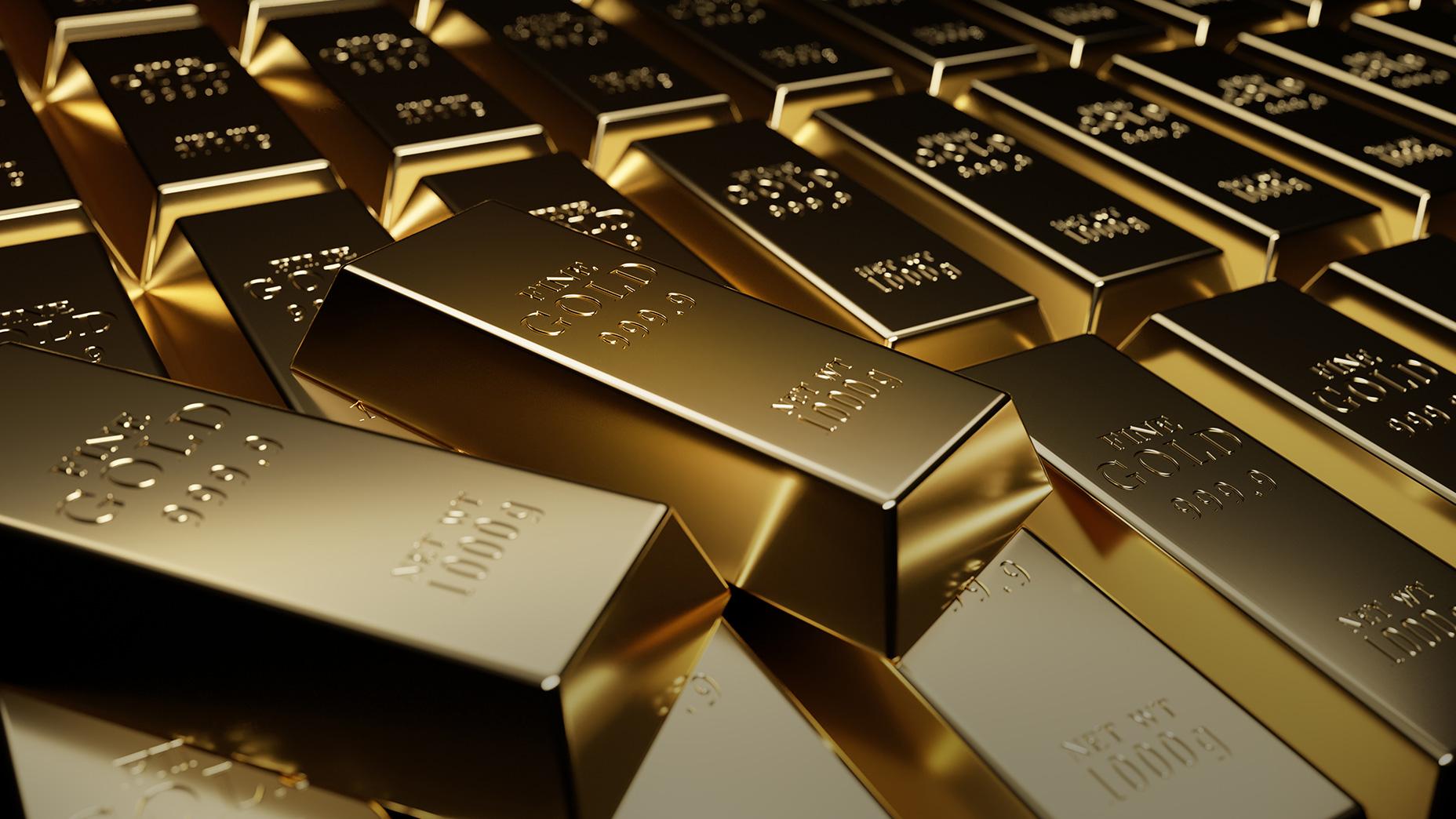
Higher real yields, a stronger U.S. dollar and profit-taking have weighed on both metals, Akullian wrote in an analysis published Tuesday. Gold, after reaching a record above $5,000 an ounce in early 2026, is down about 10% year to date. Silver has also fallen following a positive 2025, facing macroeconomic headwinds as well as profit-taking.
Akullian identified government debt, safe-haven demand and industrial use as key forces shaping the market. U.S. federal debt exceeds 120% of GDP, with annual deficits near 6–7% of GDP, she said; debt has also topped 100% of GDP in major developed economies including Japan, the U.K., France and Canada. Gold has historically appealed as a store of value without sovereign issuer risk. Silver, whose annualized volatility over the past 20 years has been up to twice gold’s, is more exposed to swings in investment and industrial demand.
The macroeconomic backdrop has become less supportive, Akullian said. Improved U.S. growth eased concerns about fiscal sustainability, while the dollar rebounded after a broader shift away from U.S. assets following reciprocal tariffs announced in April 2025. Higher real yields and a stronger dollar have also challenged non-yielding assets.
Gold’s portfolio role, she argued, extends beyond a traditional haven. During months since 2020 when the S&P 500 fell more than 5%, gold returned an average of 2%, compared with returns near flat for the U.S. Aggregate Bond Index. Silver offers a different mix: about 60% of annual consumption is tied to electronics, solar panels and semiconductors, with electronics accounting for roughly 445 million ounces of demand a year. Akullian cited AI infrastructure, electrification and solar power as potential sources of further demand.


Comments (0)
No comments yet. Be the first!