
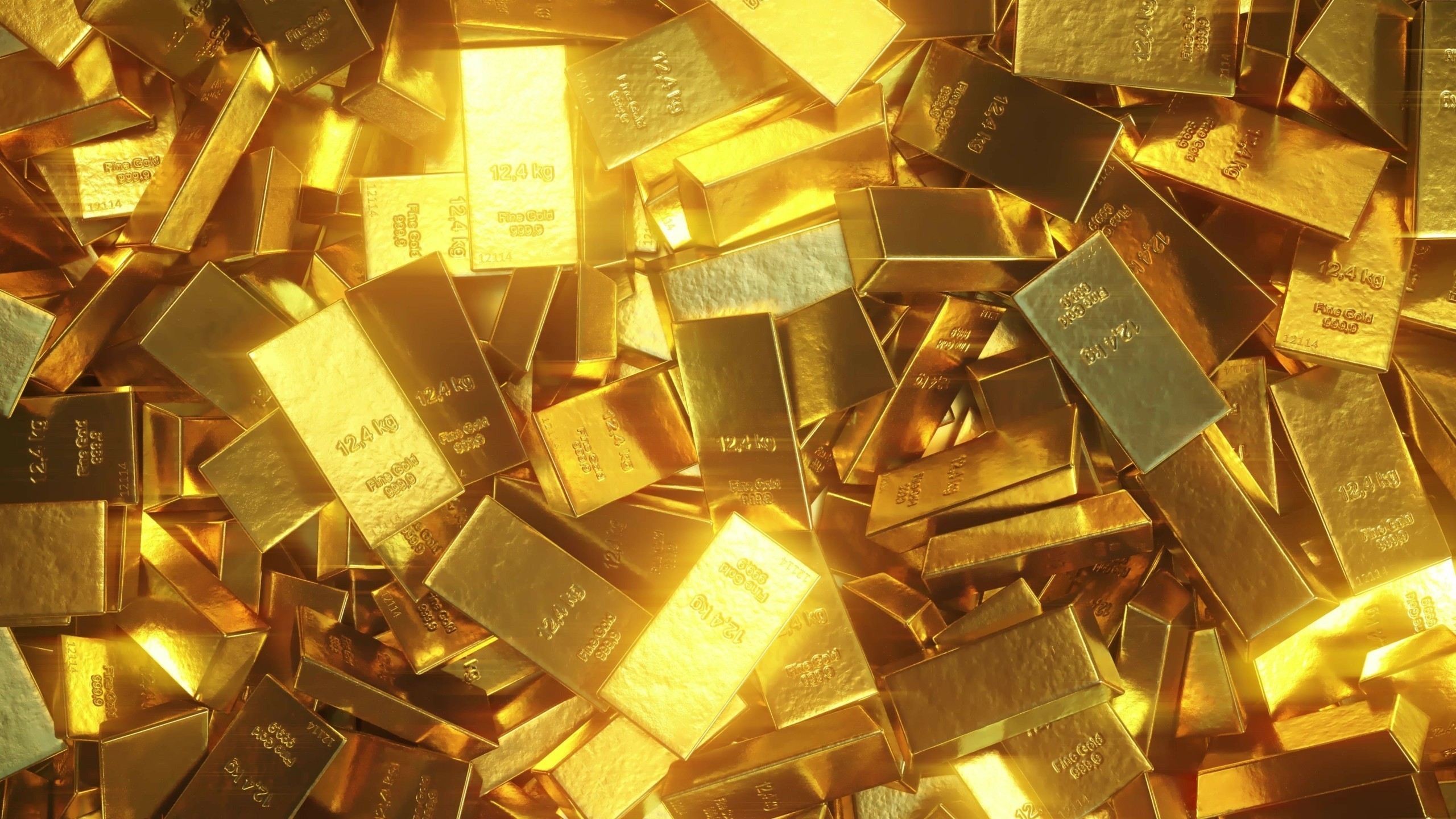
Spot gold traded near $4,031.80 an ounce, down $107.60, while spot silver stood at $51.410, a loss of $1.894. The U.S. consumer price index rose 0.4% in October, above economists’ 0.3% forecast but below September’s 0.6% increase. Core prices, excluding food and energy, climbed 0.3%, also ahead of expectations of 0.2% and matching the monthly gains in August and September.
The Bureau of Labor Statistics did not publish most annual inflation rates for October because the 2025 federal government shutdown prevented collection of comparable data. Monthly figures therefore offered the clearest reading in the report. Shelter costs rose 0.3% and accounted for more than 30% of the monthly CPI increase. Food prices advanced 0.5%, including a 0.4% rise in grocery prices; energy prices rose 0.7%. Gasoline and electricity costs increased, while natural gas prices fell. Higher recreation, medical care, motor vehicle insurance and household furnishings costs also contributed to core inflation; used vehicle prices declined.
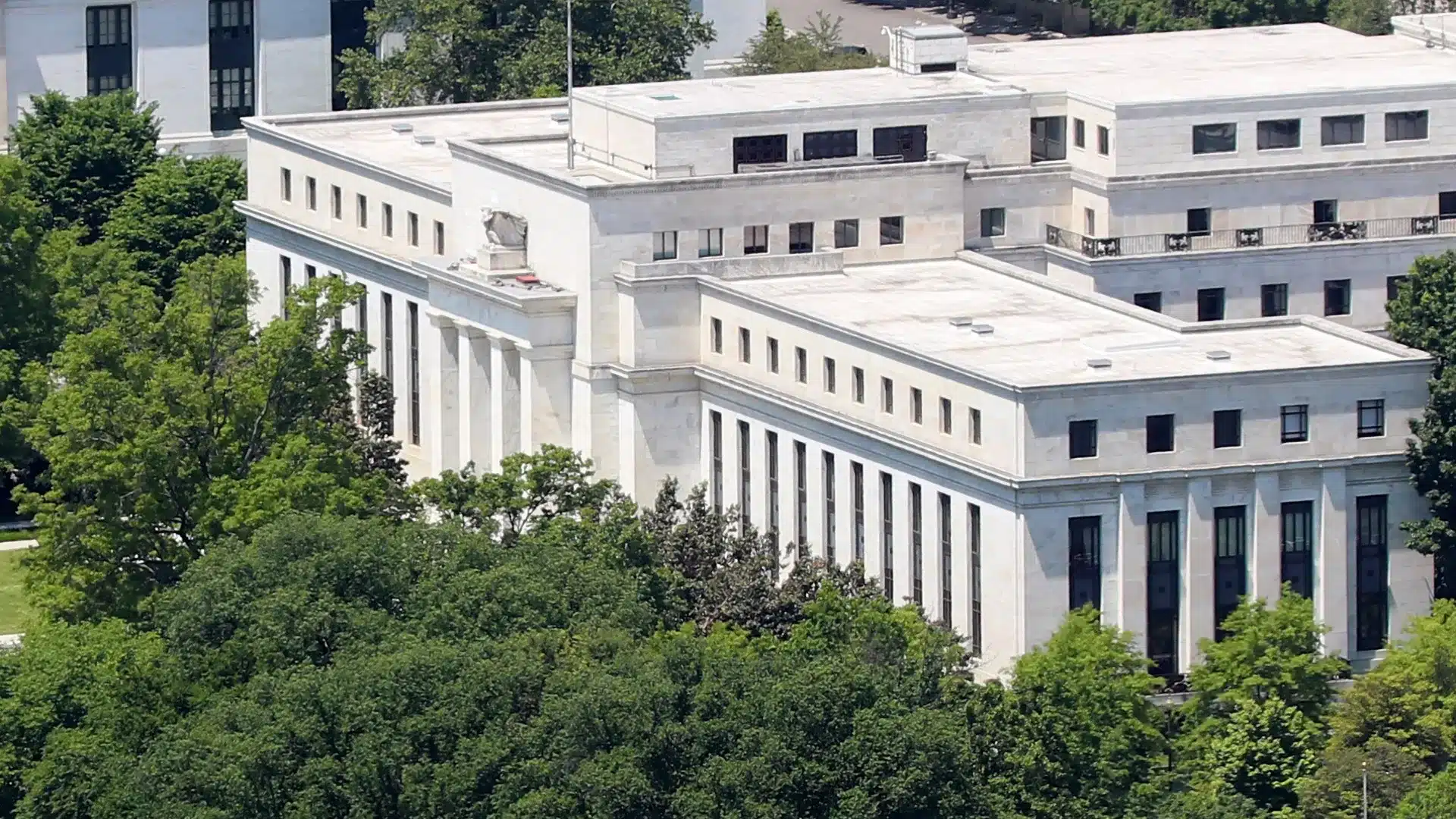
Futures markets put the probability of a 25-basis-point rate increase at the Fed’s Dec. 8-9 meeting at 88.2%, and the chance of a 50-basis-point move at 11.8%. The Fed held its benchmark range at 3.75% to 4.00% in October, when two policymakers favored an immediate increase. Governor Christopher Waller said Tuesday the Fed should raise rates in December even if inflation had moderated, and that a larger move could be appropriate if underlying pressures remained elevated. Richmond Fed President Tom Barkin had urged caution Monday, saying policymakers should assess incoming data before deciding.



Comments (0)
No comments yet. Be the first!