
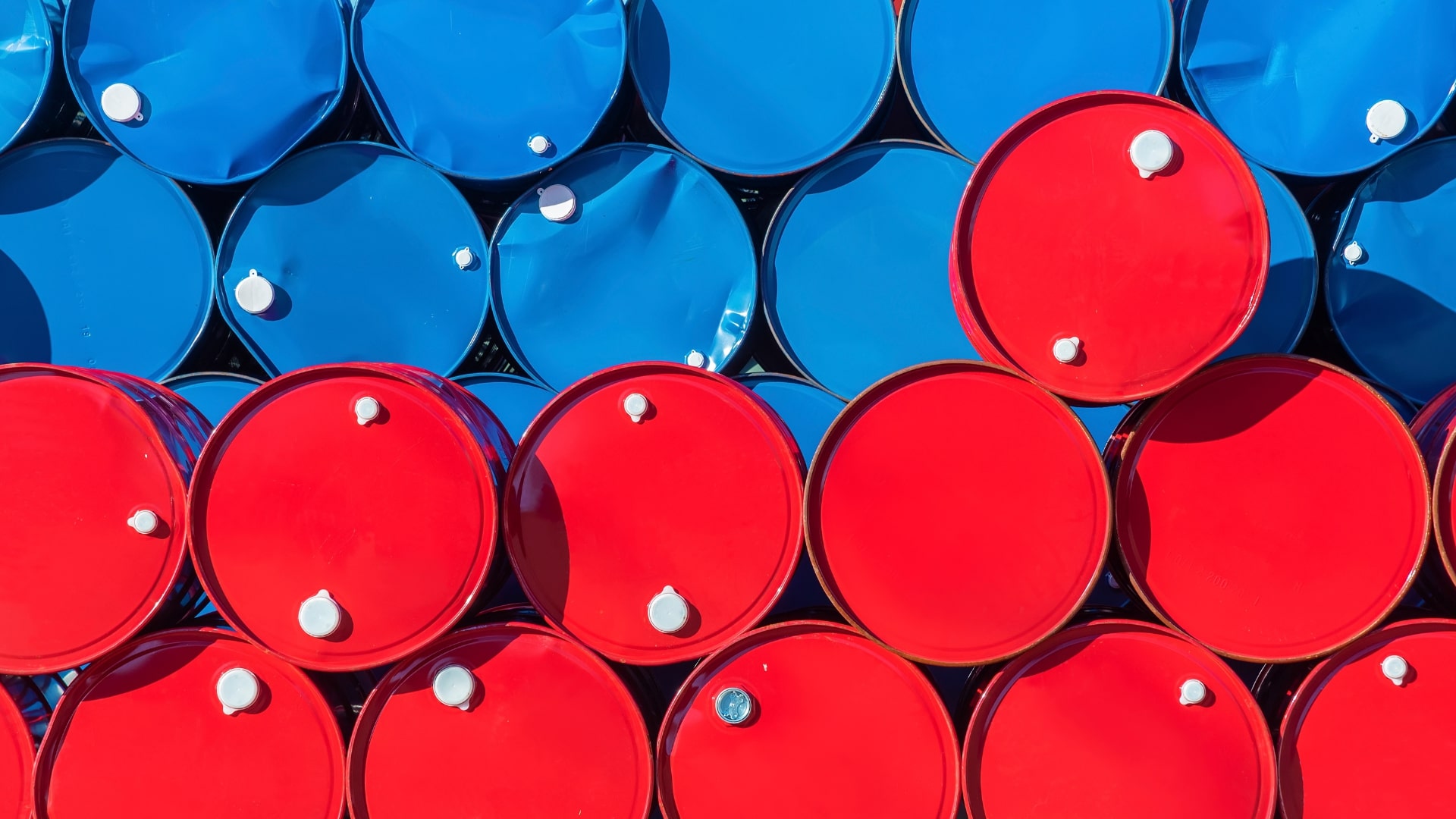
Oil remains almost 60% higher than at the start of the year, while natural gas prices are nearly three times their level at the start of 2026. Analysts say the outlook for the Iran war is uncertain, leaving room for oil prices to rise again. The University of Michigan’s measure of US inflation expectations for the coming year edged up to 4.7% in October from 4.6% in September and 3.4% in February. Long-term market expectations remain above 2% in the euro zone and the United States, and above 3% in Britain.
Food costs are another pressure point. The UN Food and Agriculture Organization’s Food Price Index is at its highest level in nearly four years, driven by extreme weather, shipping disruptions and high energy costs. Companies and Britain’s leading retail trade body have warned of further price increases. Hank Calenti, global markets strategist at SMBC, said food inflation can prompt workers to seek higher pay, adding to broader price pressures. AllianceBernstein strategist Inigo Fraser Jenkins said geopolitical tensions and supply disruptions could keep inflation and volatility high beyond the US midterm elections.
Borrowing costs have also risen sharply this year. US government borrowing costs climbed 85 basis points in the third quarter, while those in France and Italy rose by more than 100 basis points. Yields have eased since then but remain higher for the year. European Central Bank estimates circulated before last Thursday’s policy meeting indicated that the latest bond-yield rise would cut cumulative growth by 100 basis points in 2027-28 compared with September projections.


Comments (0)
No comments yet. Be the first!