
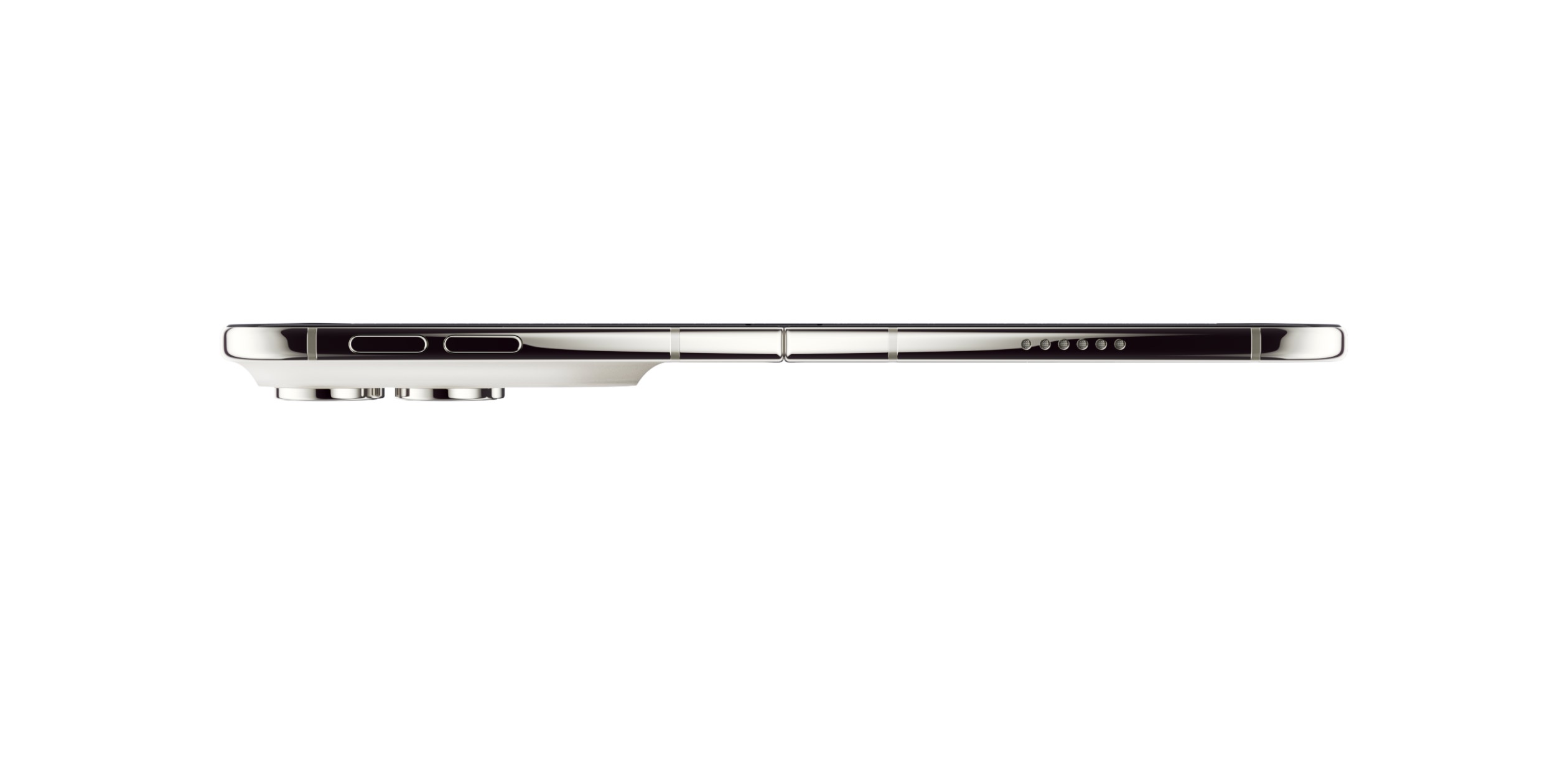
Apple’s decision to adopt a wide, 1.4:1 aspect ratio creates a distinct experience. When closed, the 5.4-inch outer display feels cramped, forcing users to unfold the device to perform even basic tasks. The 7.6-inch inner screen features a sophisticated nano-texture matte coating that effectively masks the crease, though the transition between displays remains a work in progress. Because the Duo ignores the existing iPad app ecosystem, the software experience is currently a volatile mix of standard iPhone apps, partially optimized layouts, and a handful of fully realized tools like the new Instagram video editor.
The iPhone Duo is a messy, expensive, good time
The iPhone Duo represents Apple’s riskiest hardware gamble in a decade, discarding the refined stability of the iPhone 18 Pro for a foldable, passport-shaped experiment. It is a device defined by first-generation growing pains—clunky, prone to overheating, and often frustrating—yet it introduces a level of novelty missing from recent smartphone cycles.

Hardware compromises are equally present. The device relies on Touch ID rather than Face ID, and its camera system—while serviceable—lacks the versatility of the iPhone 18 Pro, omitting a dedicated telephoto lens. Thermal management is another hurdle; the A20 Pro chip often struggles under load, leading to noticeable heat during multitasking or intensive camera usage. At a starting price of $1,999, the Duo is not a practical recommendation for the average consumer. However, for those who value the thrill of early-adopter hardware, it offers a glimpse into a future where Apple’s rigid design philosophy finally begins to bend.


Comments (0)
No comments yet. Be the first!