
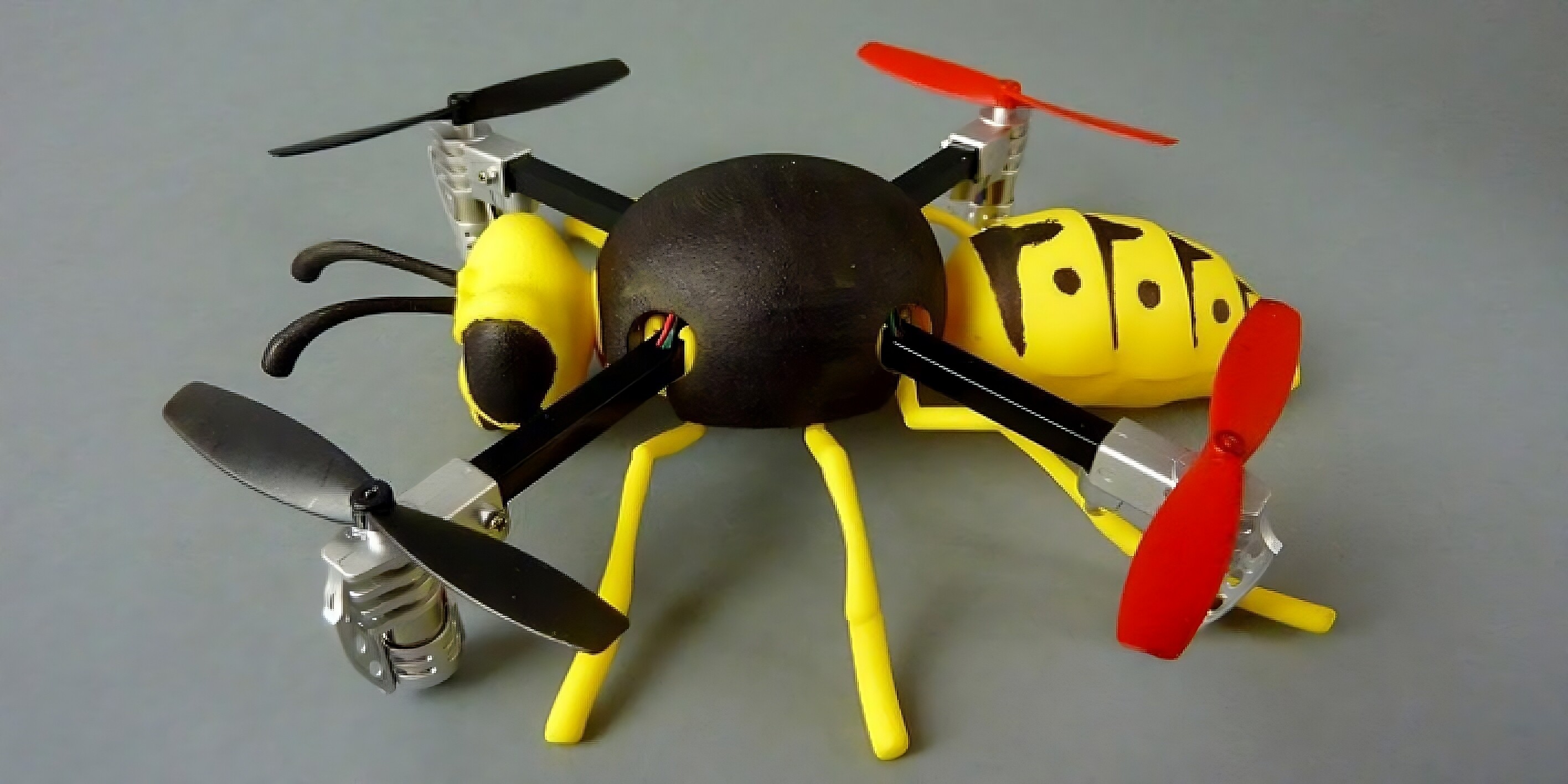
The WASP emerged from GatGPT, a custom language model trained on the massive DEFCAD repository of digital firearm files. Unlike general-purpose AI, this system functions as an automated gunsmith, guiding users through design choices based on existing blueprints. The resulting firearm features surreal, bubbly aesthetics—such as an inverted grip and an incomplete trigger guard—that experts characterize as functionally dubious and arguably bizarre. While Wilson frames this as a leap in weapon accessibility, critics view the project as a dangerous attempt to lower the barrier for manufacturing untraceable firearms.
Cody Wilson and the rise of the AI-generated ghost gun
Cody Wilson, the activist who pioneered 3D-printed firearms, has debuted the WASP, a .22 caliber handgun he claims is the first weapon designed by artificial intelligence. Testing the device in an Austin backyard, the pistol functioned only after an initial misfire, highlighting the crude, experimental nature of AI-assisted weaponry.
Legal and safety advocates, including Everytown for Gun Policy, argue that Wilson’s push to automate gun design directly undermines efforts to regulate ghost guns. As states like California and New York implement software requirements to block 3D-printer files, Wilson has countered with tools like 'Hochulization' to evade detection. For now, the WASP serves less as a revolution in lethality and more as a proof of concept for how generative models might accelerate the proliferation of custom, serial-number-free weapons. Though the design remains a remix of existing models rather than a novel invention, the shift toward AI-driven development suggests a future where firearm blueprints are generated in seconds, complicating an already volatile landscape of digital gun control.

Comments (0)
No comments yet. Be the first!