
The device distinguishes itself from the Apple Vision Pro or Valve’s Steam Frame by refusing to fully enclose the wearer. While other headsets rely on complete immersion, these glasses utilize a live video feed for the center of the display, framed by physical rims that allow for a direct, naked-eye view of the room beyond the lenses. This architecture addresses a primary barrier for casual users who avoid VR because they cannot monitor their children or pets while wearing a headset.
Meta’s new glasses challenge the VR isolation trap
At a weight of roughly 100 grams, Meta’s latest $1,299 glasses discard the bulky, opaque design of traditional headsets to preserve a user’s connection to their physical environment. By blending digital overlays with natural peripheral vision, the hardware attempts to solve the fundamental discomfort of feeling isolated from one's surroundings.
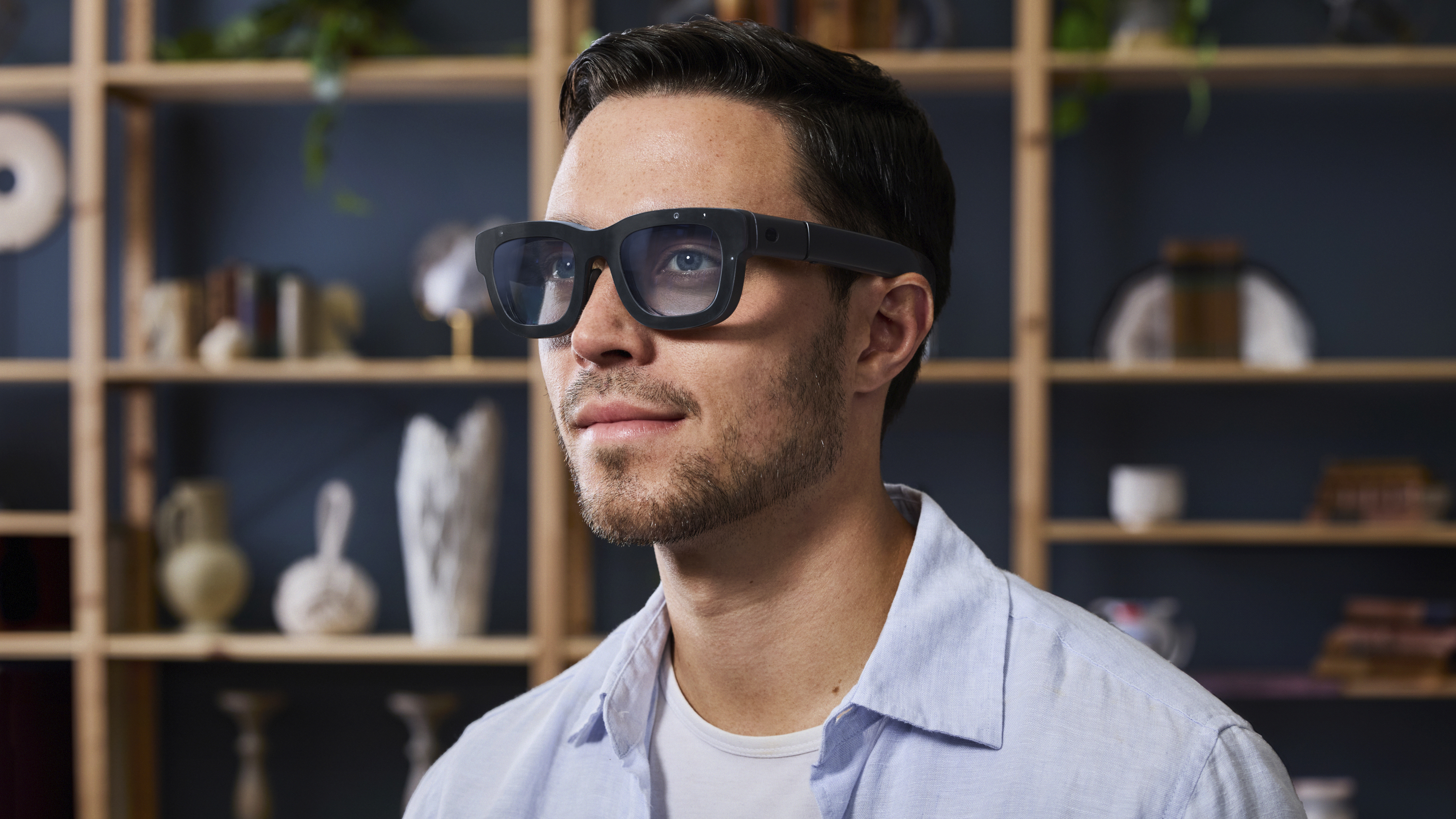
Despite the steep price point, the design marks a shift in how wearable computing interacts with the human field of view. By prioritizing spatial awareness over total isolation, Meta is positioning this hardware as the first viable option for people who previously found current VR technology too alienating for home use.



Comments (0)
No comments yet. Be the first!