
The company secured an FCC authorization grant on August 9th for the camera module alone, effectively segmenting the device from its flight components. Anita Facundo, global marketing director, maintains that the Versa complies with all regulatory requirements because the propellers are categorized as a mere accessory rather than an integral part of the radio-certified hardware. This technical distinction allowed the product to bypass the scrutiny usually reserved for foreign drones under the 2025 National Defense Authorization Act.
HoverAir’s Versa: Innovation or a Regulatory Loophole?
Zero Zero Robotics is testing the boundaries of the US government’s foreign drone ban with the launch of its $750 Versa. By marketing the device as a handheld steadycam that only becomes a drone through optional snap-on propellers, the company claims it has bypassed the strict federal restrictions imposed on foreign-made unmanned aerial systems.
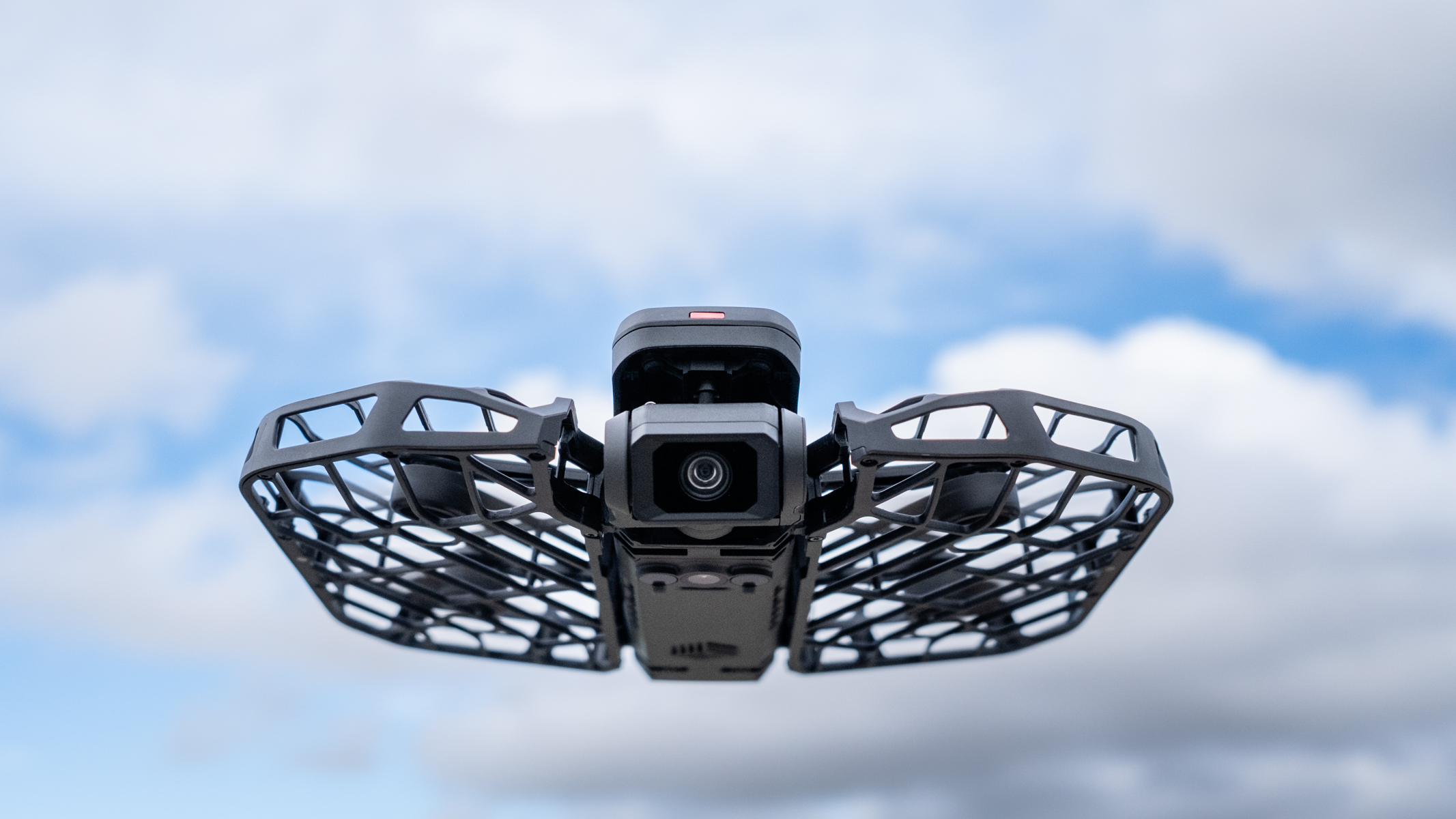
However, the legal foundation for this launch remains precarious. The FCC’s mandate extends beyond complete drones to include critical UAS components, a category that arguably encompasses the Versa’s imaging and radio systems. While a private Telecommunications Certification Body initially approved the device, the FCC reserves the right to review and reverse such certifications within a 30-day window. Given the explicit inclusion of cameras in the government’s definition of critical components, the agency could still intervene to block the product’s entry into the US market. For now, the Versa is available on Indiegogo, yet the potential for a regulatory reversal leaves early backers facing significant uncertainty.



Comments (0)
No comments yet. Be the first!