
Starlink remains the company’s only profitable engine, pulling in $4.2 billion in revenue. President Gwynne Shotwell has signaled aggressive expansion into mobile telephony, aiming to challenge established carriers like AT&T and Verizon. Despite this, the company’s trajectory is pivoting toward aggressive capital expenditure in the neocloud sector, leasing data center capacity to support AI initiatives. Analyst Alexander Potter now projects spending on these AI-integrated infrastructure projects to reach $65 billion next year—a $17 billion increase over previous forecasts.
SpaceX Revenue Reveals a Telecom Giant Masked as a Rocket Firm
SpaceX’s inaugural quarterly report as a public company exposes a stark reality: the aerospace titan is primarily a telecommunications and cloud-computing business. While public perception remains anchored to rocket launches, the space sector generated barely 10 percent of revenue, leaving Starlink to anchor the firm’s financial performance.
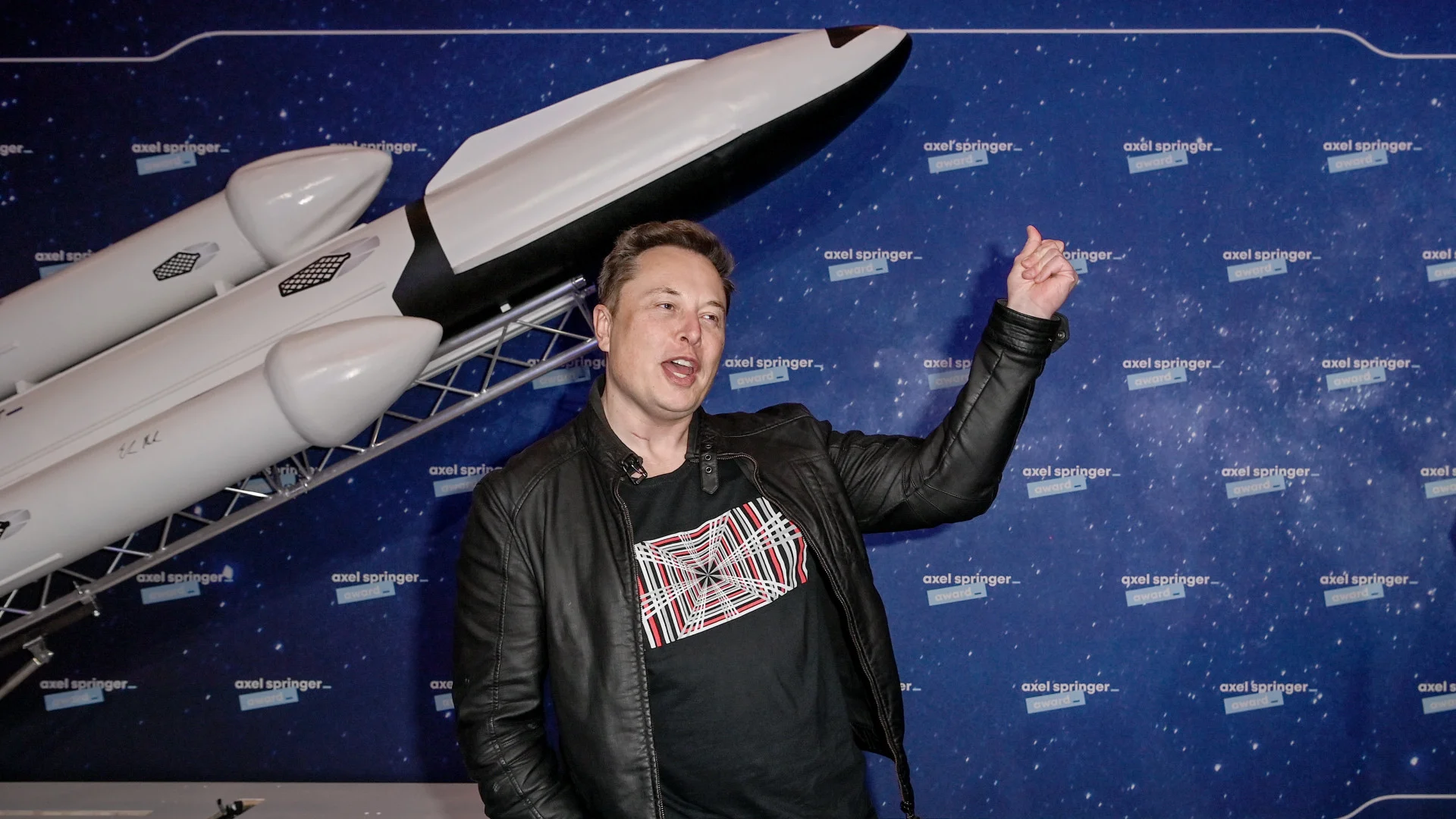
This shift raises questions regarding the company’s identity and its core mission. SpaceX currently functions as its own primary customer, as demand for its launch services remains insufficient to drive growth. As the firm integrates xAI and prioritizes AI-driven revenue, the focus on actual space exploration appears increasingly secondary. This transition toward a tech-heavy business model comes at a time when critics point to the company's growing orbital debris, suggesting the prioritization of infrastructure may be coming at the expense of sustainable space operations.


Comments (0)
No comments yet. Be the first!