
The upcoming platform, currently identified only by its codename Aluminium, will leverage the Android technology stack to allow seamless interaction between laptops and mobile devices. Users can expect to run Android apps directly and access phone files without manual transfers. A centerpiece of the user experience is Gemini Intelligence, which powers features like the Magic Pointer. By shaking the cursor, users trigger contextual AI suggestions, such as scheduling meetings from emails or visualizing interior design layouts.
Google Unveils Googlebook as Its Next Laptop Frontier
Google is pivoting its laptop strategy with the announcement of Googlebooks, a new line of devices designed to eventually succeed the Chromebook. Built on a hybrid operating system that merges Android and ChromeOS, the hardware aims to bridge the gap between mobile utility and desktop computing through deep AI integration.
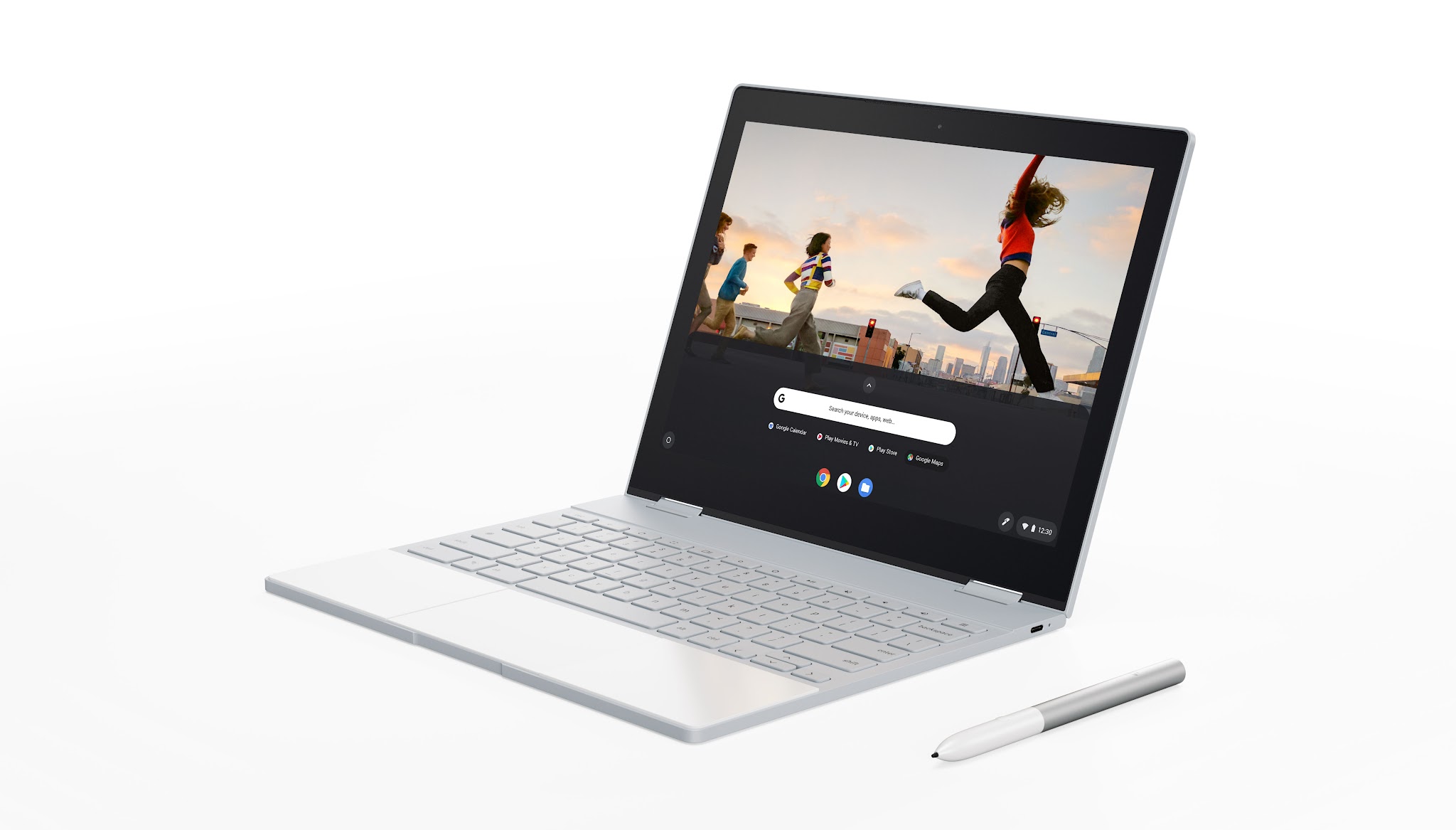
Google has confirmed partnerships with Acer, Asus, Dell, HP, and Lenovo to manufacture the new devices. While specific technical specifications and pricing remain undisclosed, the company confirmed that all Googlebooks will feature a distinctive glowing light bar. Despite the new initiative, Peter Du of Google’s global communications team stated that the company remains committed to existing Chromebooks, promising continued support and security updates for devices released in 2021 or later. The transition signals a shift toward what the company describes as intelligence-first operating systems, though the long-term roadmap for legacy ChromeOS remains unclear as the market awaits a formal product launch.



Comments (0)
No comments yet. Be the first!